
Latest Post
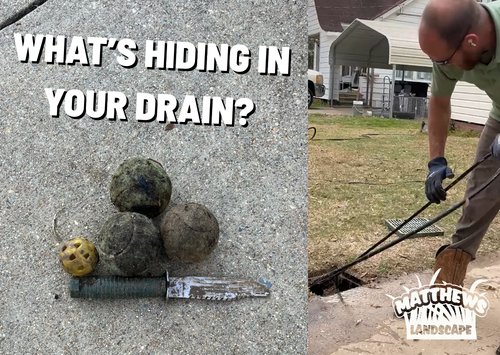
Outdoor Drain Cleaning
What’s hiding in your drains? We recommend cleaning out your outdoor drainage system before we start seeing spring showers. David is here to show how we thoroughly flush out the entire system. Stay tuned to the end to see some items we’ve found in drains.
Outdoor Drain Cleaning
What’s hiding in your drains? We recommend cleaning out your outdoor drainage system before we start seeing spring showers. David is here to show how we thoroughly flush out the entire system. Stay tuned to the end to see some items we’ve found in drains.
The Buzz Around Clustered Mountain Mint
Plant of the Week: Clustered Mountain Mint – A Pollinator-Friendly Native for Shreveport Landscapes https://youtu.be/V1TGXGAVjP0 Rachel is here to highlight this week’s featured plant: Clustered Mountain Mint – a native plant that thrives right here in the...
Wasp Hiding Places
Summer is here and wasps are active everywhere. One thing to keep in mind is that sometimes their nests are tucked away where you can't see them until they get disturbed. Dylan is here to tell us more! https://www.youtube.com/shorts/7Gf6VTdYSKU Where Wasps Hide in...
Hyped About Matthews?
Here's some of what we've been up to lately. Come get hyped with us! https://youtu.be/gbMJqoO1KTE Transform Your Outdoors with Matthews Landscape ServicesShreveport & Bossier City’s Trusted Landscape Experts When it comes to curb appeal, your landscape speaks...
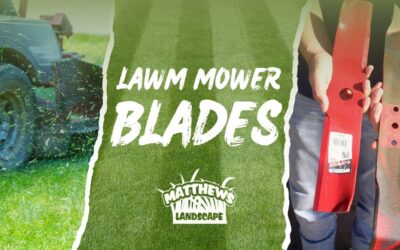
Maintenance: Lawn Mower Blades
During summer, you should be mowing your lawn once a week, and that can lead to wear and tear on your mower's blades. If you've gone the entire growing season without sharpening them, it might be a good idea to check on them now. Having sharp blades will avoid ripping...
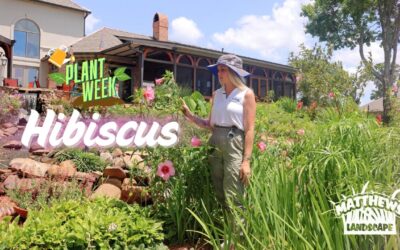
Plant of the Week: Rosemallow Hibiscus
Rachel's here to tell us about our plant of the week: Rosemallow hibiscus! This tropical looking plant produces big, light pink flowers with a dark darker pink in the center. It attracts pollinators such moths, Common Checkered Skippers, Pearly Wood Nymphs, and...
Lawn Mower Maintenance
During the summer, you should be mowing your lawn once a week to keep it healthy. Because of this, lawn mower maintenance is important to stay on top of, especially changing your air filter. https://www.youtube.com/watch?v=VvqqMadiBIQ This is like the lungs of your...
Why Do I Need Landscape Maintenance?
Your landscape is one of the first things people notice when they visit your home or business. A well-maintained yard doesn’t just look good—it reflects care, pride, and attention to detail. https://youtu.be/Cyf-C1Img8M Why Landscape Maintenance Matters: More Than...
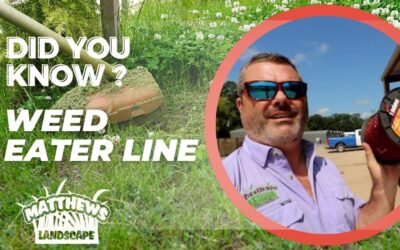
Did You Know? Weed Eater Line
Proper lawn care requires properly maintained equipment, including things you might not think about like weed eater line. Here's Garrett with some tips to help your line last longer and work better! https://youtu.be/HRobuGh8Uqk Let us know if you have any...
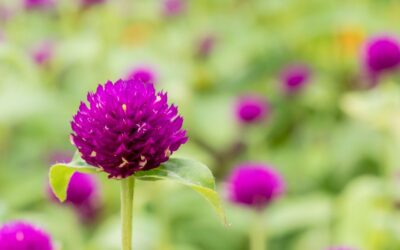
Globe Amaranth: An Unfading Fav
Globe Amaranth: A Pollinator Favorite That Blooms from Spring to Fall in Louisiana https://www.youtube.com/shorts/6CRcyDYRQ5w If you're looking to add color and pollinator appeal to your Louisiana garden, Globe Amaranth (Gomphrena globosa) is a must-have plant. Known...